

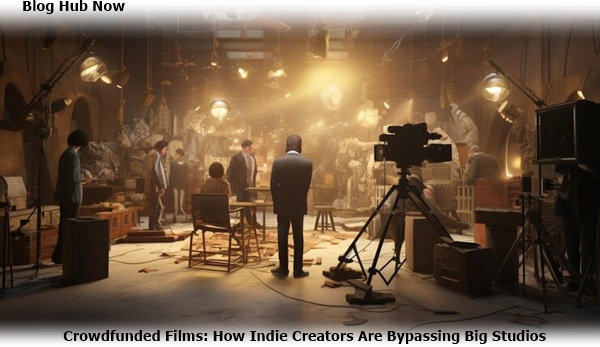
Crowdfunded Films: How Indie Creators Are Bypassing Big Studios
The movie industry has long been dominated by big studios with deep pockets, tight control, and blockbuster expectations. For decades, independent filmmakers had to rely on traditional gatekeepers to fund their creative visions — often compromising on originality or facing rejection entirely. But today, the rise of crowdfunded films is turning that system on its head.
Indie creators are now using platforms like Kickstarter, Indiegogo, and GoFundMe to finance their films directly through the support of fans. In doing so, they are rewriting the rules of filmmaking and gaining creative freedom like never before.
What Is Crowdfunding in Filmmaking?
Crowdfunding is the process of raising small amounts of money from a large number of people, typically via the internet. For films, this means that instead of going to one big studio or investor, filmmakers pitch their project to the public — and anyone can contribute.
Supporters (often called backers) typically receive rewards such as:
-
Early access to the film
-
Behind-the-scenes content
-
Merchandise
-
A mention in the credits
-
Set visits or even cameo roles (depending on the contribution)
Why Indie Creators Choose Crowdfunding
Creative Freedom
Crowdfunding allows filmmakers to retain full creative control. Without a studio executive dictating casting, content, or tone, creators can tell the stories they truly believe in.
Direct Audience Engagement
Campaigns let filmmakers build an audience before the film is even made. This direct relationship with fans builds loyalty, excitement, and long-term support.
Proof of Concept
A successful crowdfunding campaign shows there is demand for a project. This can attract additional funding, press attention, or even a studio deal — on better terms.
Inclusivity and Innovation
Crowdfunding democratizes filmmaking. Women, minority, LGBTQ+, and first-time filmmakers often find more success here than in traditional studio pipelines.
Famous Crowdfunded Films That Made It Big
Several high-profile indie films began life as crowdfunded projects:
-
“Veronica Mars” (2014) — Raised over $5.7 million on Kickstarter, proving a TV fan base could fund a feature film.
-
“Super Troopers 2” (2018) — Smashed its $2 million goal in 24 hours and went on to a successful theatrical release.
-
“The Babadook” (2014) — An Australian horror hit that began with a Kickstarter campaign and became a global cult classic.
-
“Blue Ruin” (2013) — A critically acclaimed thriller partially funded on Kickstarter, which premiered at Cannes.
How Crowdfunding Works: Step-by-Step
-
Create a Pitch: This includes a compelling video, synopsis, concept art, and personal message from the filmmaker.
-
Set a Goal: Decide how much money is needed, keeping in mind production, post-production, and reward fulfillment costs.
-
Launch the Campaign: Promote it across social media, email lists, communities, and press outlets.
-
Engage with Backers: Regular updates, thank-you messages, and transparency go a long way in building trust.
-
Stretch Goals & Rewards: Many campaigns offer bonus content or higher-tier rewards when they exceed the original target.
Challenges of Crowdfunded Films
While empowering, crowdfunding isn’t easy. Common hurdles include:
-
Campaign burnout: Marketing a campaign is time-consuming and stressful.
-
Unmet expectations: Backers expect timely updates and quality rewards.
-
Budget overruns: Underestimating costs can lead to delays or compromises.
-
Platform fees: Most sites take a 5–10% cut from the total raised.
Still, with careful planning and transparency, many filmmakers have navigated these challenges successfully.