

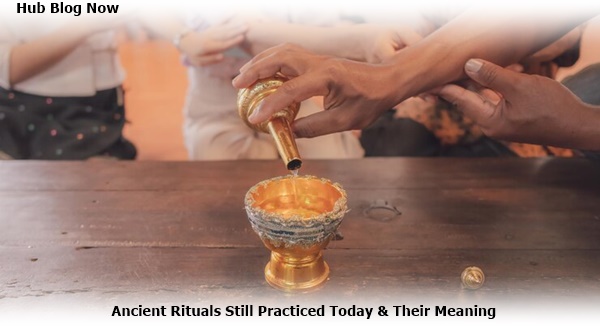
Ancient Rituals Still Practiced Today & Their Meaning
Timeless Traditions That Continue to Shape Modern Life
Ancient rituals still practiced today In an era of AI and automation, it’s easy to forget that many aspects of our lives are still deeply rooted in ancient traditions. Across cultures and continents, rituals that began thousands of years ago continue to influence the way we live, celebrate, grieve, and connect. From religious ceremonies to seasonal festivals, these rituals carry meaning, history, and identity.
In this blog, we explore some of the most fascinating ancient rituals still practiced today—and unpack what they mean in the modern world.
Fire Worship (Agni Puja – India)
Origin: Vedic India (over 3,000 years ago)
Still Practiced: In Hindu weddings, Yajnas (fire offerings), and festivals like Lohri and Makar Sankranti.
Meaning Today: Fire symbolizes purification, divine witness, and transformation. During Hindu weddings, couples walk around the sacred fire (Agni) to seal their vows—connecting them to millennia of tradition.
Salt Circles and Protection Rituals (Various Cultures)
Origin: Ancient Babylon, Rome, and Japan
Still Practiced: In housewarming rituals, Wiccan circles, and Japanese sumo ceremonies.
Meaning Today: Salt represents purity and protection. Sprinkling or circling salt is believed to ward off evil spirits or negative energy—still a common ritual in homes across Asia and the West.
Moon Festivals & Full Moon Ceremonies
Origin: Ancient China, Egypt, and Native American cultures
Still Practiced: Mid-Autumn Festival (China), Purnima fasting (India), and global full moon meditations.
Meaning Today: The moon governs emotion, tides, and spiritual energy. People continue to honor it for renewal, reflection, and celebration. It’s a moment to pause and align with nature’s rhythms.
Smudging with Herbs (Native American & Global Shamanism)
Origin: Indigenous North American tribes
Still Practiced: In modern spiritual practices, yoga studios, and holistic healing spaces.
Meaning Today: Smudging involves burning sage, cedar, or palo santo to cleanse spaces or individuals. It’s a ritual of purification, peace, and intention-setting that’s gone global.
Foot Washing Ceremonies
Origin: Ancient Jewish and Christian traditions
Still Practiced: During Maundy Thursday (Christianity) and religious humility rituals.
Meaning Today: Washing someone’s feet symbolizes humility, service, and equality. It’s practiced in churches and spiritual retreats as a reminder of selflessness.
Ancestor Worship and Shrines
Origin: Ancient China, Africa, and India
Still Practiced: During Pitru Paksha (India), Qingming Festival (China), and Obon (Japan).
Meaning Today: Honoring ancestors through food offerings, prayers, or lighting candles connects people to their lineage and fosters gratitude. It’s a sacred reminder of life’s continuity.
Day of the Dead (Día de los Muertos – Mexico)
Origin: Aztec civilization
Still Practiced: Annually on November 1–2
Meaning Today: This joyful festival honors departed loved ones with altars, marigolds, and feasts. It celebrates death as a natural part of life—a time for remembrance, not mourning.
Snake Worship in India (Nag Panchami)
Origin: Vedic India
Still Practiced: Celebrated every year, especially in rural areas
Meaning Today: Snakes are seen as divine and connected to Lord Shiva and the earth’s fertility. People offer milk and prayers to snake idols or real serpents, asking for protection and blessings.
Lighting Lamps or Candles
Origin: Ancient India, Egypt, and Mesopotamia
Still Practiced: Diwali, Hanukkah, Kwanzaa, and church vigils.
Meaning Today: Light symbolizes hope, wisdom, and the triumph of good over evil. Whether it’s a diya, menorah, or altar candle, this universal ritual continues to unite people in moments of joy or reflection.
Meditation and Chanting
Origin: Ancient India (Vedas), Tibet, and Zen Buddhism
Still Practiced: Daily by millions through yoga, spiritual chants, or mindfulness apps.
Meaning Today: Chanting mantras or meditating remains a powerful practice for inner peace, focus, and healing. It links modern seekers to ancient wisdom through breath and sound.
Why Do These Ancient Rituals Still Matter?
-
They preserve cultural identity.
-
They offer emotional and spiritual grounding.
-
They connect generations.
-
They bring meaning to modern chaos.
In a rapidly changing world, these rituals offer stability, reminding us that some truths—like love, respect, gratitude, and reverence—never go out of style.