

In recent years, the Indian government has ramped up its efforts to monetize public assets as part of a broader strategy to boost revenue and drive economic growth. This move, seen as a cornerstone of the Indian Government Earns Rs 3.85 Trillion from Selling Assets; Coal and Roads Ministries Lead the Way government’s economic reform agenda, has led to significant financial gains. As of the latest figures, they have been at the forefront of these asset sales, playing a pivotal role in achieving this remarkable financial milestone.
The Strategic Shift Towards Asset Monetization
The shift towards asset monetization reflects the government’s proactive approach to leveraging public assets for economic development. This strategy involves selling or leasing state-owned properties, infrastructure, and resources to private entities.
The funds generated are reinvested in infrastructure, social welfare programs, and debt reduction.
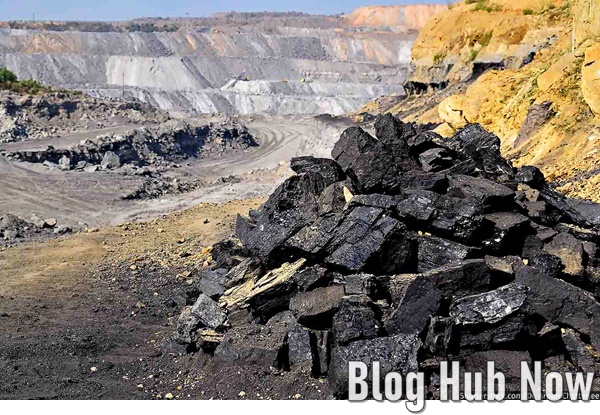
The Coal Ministry has emerged as a major contributor to the government’s asset monetization efforts. As one of the world’s largest coal producers, India’s coal assets have attracted significant domestic and international interest. The auctioning of coal blocks to private companies has not only brought in substantial revenue but also aimed to enhance the efficiency and productivity of the coal sector. These auctions have opened up the sector to competition, encouraging innovation and investment in advanced mining technologies.
Roads Ministry: Paving the Way for Development
The Roads Ministry has also played a crucial role in the asset monetization drive. India’s extensive network of highways and roads, essential for the country’s economic activities, has been a prime candidate for monetization. The government has adopted innovative models such as the Toll-Operate-Transfer (TOT) scheme, where private players are granted rights to operate and maintain highways in exchange for upfront payments. This approach has generated significant funds while ensuring better maintenance and development of road infrastructure.
Impact on Economic Growth
The proceeds from asset sales have been instrumental in funding various developmental projects across the country. By injecting these funds into infrastructure projects, the government aims to create a multiplier effect on the economy, leading to job creation, enhanced connectivity, and increased industrial activity.
Future Prospects and Challenges
Looking ahead, the government plans to continue its asset monetization program with an even broader scope. Sectors such as railways, airports, and power are expected to be the next focus areas.
Conclusion
The Indian government’s asset monetization strategy has raised an impressive Rs 3.85 trillion so far. The Ministries of Coal and Roads have been pivotal in this achievement, demonstrating the potential benefits of such initiatives.