

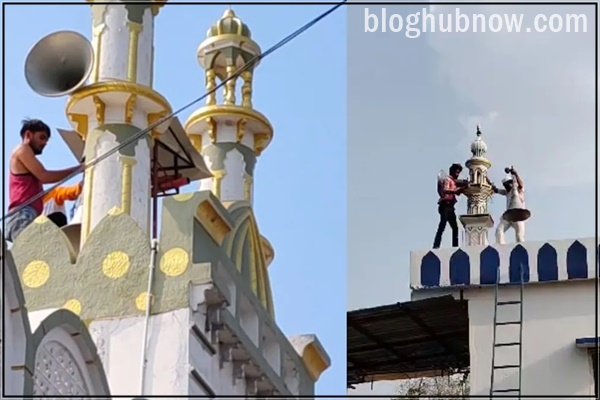
In a recent development, authorities in Madhya Pradesh have taken action to remove loudspeakers from religious sites across the state. This decision has sparked discussions and debates among both religious communities and the general public. Let’s delve deeper into the reasons behind this move and its potential impact.
Background
For years, loudspeaker use in religious places has been contentious in India, including Madhya Pradesh. While loudspeakers are often used to broadcast religious chants, prayers, and announcements, their excessive volume has been a source of disturbance for nearby residents. Complaints about noise pollution and disturbance to the peace have led to calls for regulation and control over the use of loudspeakers.
Government Action
Responding to these concerns, authorities in Madhya Pradesh have initiated a crackdown on the use of loudspeakers in religious sites. This action is part of a broader effort to address noise pollution and promote tranquility in residential areas. By enforcing regulations on the installation and usage of loudspeakers, the government aims to strike a balance between religious practices and the well-being of local communities.
Public Response
The decision to remove loudspeakers from religious sites has evoked mixed reactions from the public. While some residents welcome the move as a step towards restoring peace and quiet in their neighborhoods, others view it as an infringement on religious freedom. Religious leaders and devotees have expressed concerns about the impact on traditional practices and the conduct of religious ceremonies.
Impact on Religious Practices
One of the key concerns raised by opponents of loudspeaker removal is its potential impact on religious rituals and gatherings. Loudspeakers play a significant role in broadcasting sermons, prayers, and announcements during religious events. Without them, there are fears that the atmosphere and experience of these gatherings may be compromised.
Looking Ahead
As authorities continue removing loudspeakers, engaging with religious communities and stakeholders is essential. Finding a balance between respecting religious sentiments and addressing noise pollution is crucial. Moreover, exploring alternative solutions such as soundproofing measures or designated times for loudspeaker usage could help mitigate conflicts and ensure harmony in diverse communities.
Conclusion
The removal of loudspeakers from religious sites in Madhya Pradesh reflects the government’s commitment to addressing noise pollution and promoting peace in residential areas. While the move has sparked debates and concerns among various stakeholders, it also presents an opportunity to explore innovative solutions that respect both religious practices and community well-being. By fostering dialogue and collaboration, authorities can work towards creating environments where religious diversity coexists harmoniously with the need for quiet and tranquility.