

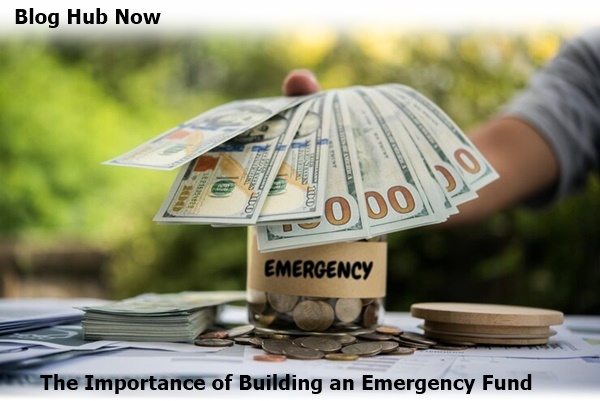
The Importance of Building an Emergency Fund
Life is full of surprises — and not all of them are pleasant. From unexpected car repairs to sudden job loss, emergencies can strike when you least expect them. That’s why building an emergency fund is one of the most important steps you can take for your financial well-being.
Whether you’re just starting out or already managing a household budget, having a financial safety net can make all the difference in times of crisis.
What Is an Emergency Fund?
An emergency fund is a pool of money set aside specifically for unexpected expenses. Think of it as a financial cushion that protects you from life’s unpredictable moments — without having to rely on credit cards or loans.
Some common uses for an emergency fund include:
-
Sudden medical expenses
-
Car or home repairs
-
Loss of a job or income
-
Emergency travel
-
Unexpected bills
Why Is an Emergency Fund Important?
Let’s break down exactly why having an emergency fund matters so much:
Protects Against Debt
Without a backup fund, many people resort to high-interest credit cards or personal loans when emergencies hit. An emergency fund helps you avoid falling into debt during tough times.
Provides Peace of Mind
Financial stress is one of the biggest causes of anxiety. Knowing you have money set aside for unexpected events gives you emotional security and peace of mind.
Gives You More Financial Control
Emergencies are already stressful. Having an emergency fund lets you respond calmly, without making rushed or risky financial decisions.
Keeps Your Financial Goals on Track
Without an emergency fund, you might have to pause your retirement savings or dip into other long-term investments. A safety net ensures you stay on course with your goals.
How Much Should You Save?
There’s no one-size-fits-all answer, but here’s a general rule of thumb:
Save 3 to 6 months’ worth of essential living expenses.
That includes:
-
Rent or mortgage payments
-
Groceries and utilities
-
Transportation
-
Insurance
-
Minimum debt payments
If you’re just getting started, even saving $500 to $1,000 can go a long way toward covering smaller emergencies.
How to Start Building Your Emergency Fund
You don’t need a huge income to start saving. Here’s how to begin — step by step:
Set a Goal
Choose a realistic starting goal like $500 or $1,000. Once that’s met, work your way toward the 3–6 months’ expenses target.
Open a Separate Savings Account
Keep your emergency fund separate from your daily spending account. This reduces the temptation to dip into it for non-emergencies.
Make Saving Automatic
Set up an automatic transfer from your checking account into your emergency fund each payday — even small amounts add up.
Cut Back Where You Can
Look at your monthly budget and find small areas to cut — a few takeout meals or streaming services might cover your first few deposits.
Use Unexpected Income
Bonuses, tax refunds, or cash gifts can help you grow your emergency fund faster.
When Should You Use Your Emergency Fund?
Use your emergency fund only for true emergencies — expenses that are urgent, necessary, and unexpected. For example:
-
A surprise medical bill
-
A broken furnace in winter
-
Losing your job
Avoid using it for:
-
Optional home upgrades
Treat your emergency fund as sacred money — there only when you really need it.
Emergency Fund vs. Savings: What’s the Difference?
While both involve putting money aside, their purposes are different:
-
Emergency Fund: For unexpected, urgent expenses only
-
Savings: For planned purchases like vacations, weddings, or a down payment.
Keep your emergency fund intact and separate from other savings goals.